
For any Texas business, from a startup in Austin to an established manufacturer in Houston, one of the most critical questions in the digital age is: “How much does a website cost?” The answer is complex, with prices ranging from a few hundred dollars for a simple DIY project to well over six figures for a complex, custom-built platform. A website is no longer just a digital brochure; it’s a vital business tool for generating leads, driving sales, and building a brand.
This comprehensive 2025 guide will demystify website development costs in Texas. We’ll break down the key factors that influence pricing, explore the different types of websites and their typical cost ranges, and uncover the ongoing fees you need to budget for to ensure your online presence is a powerful and profitable investment.
How Much Does a Website Cost in Texas? The Short Answer
While every project is unique, most business websites in Texas fall into one of the following price ranges. Consider this your starting point for budgeting.
| Type of Website | Estimated Upfront Cost Range | Best For |
| Basic Business Website | $1,500 – $3,000 | Startups and small businesses needing a professional online presence. |
| Custom Website with Features | $3,500 – $7,000 | Growing businesses needing specific functionalities like booking systems or advanced forms. |
| E-commerce Website | $5,000 – $15,000+ | Businesses of any size looking to sell products directly to consumers online. |
| Custom Web Application | $10,000 – $100,000+ | Enterprises and tech companies requiring unique, complex platforms with database integrations. |
Key Factors That Determine Your Website’s Final Cost
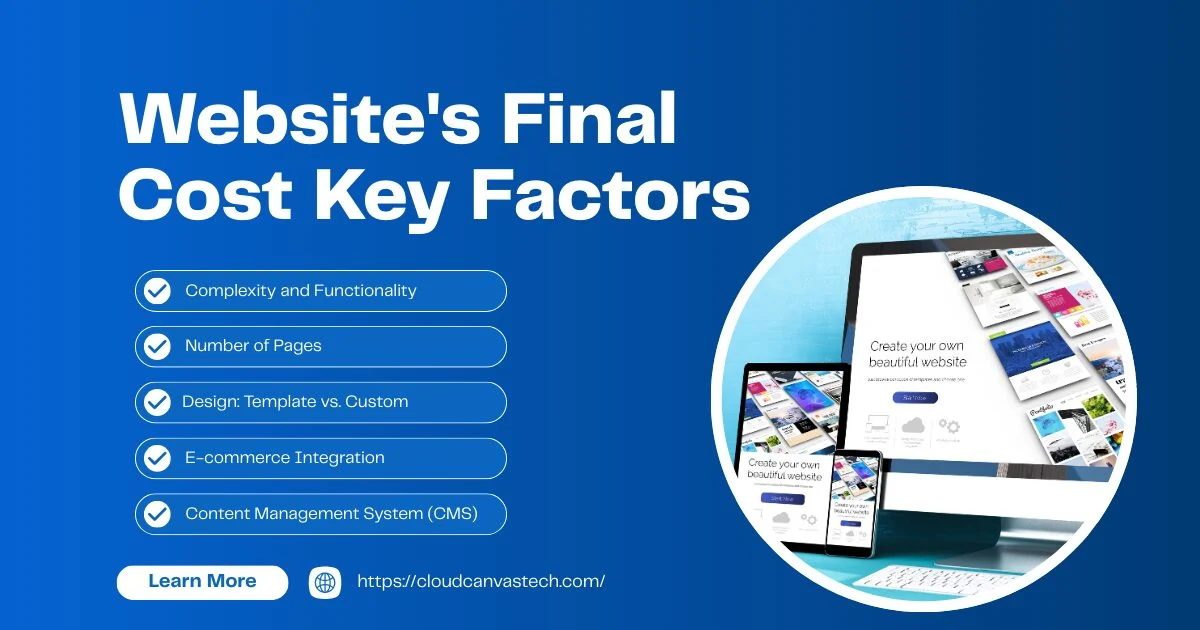
The price of a website is not arbitrary. It’s a direct reflection of the time, skill, and resources required to build it. Here are the primary factors that will influence the quotes you receive from Texas web development agencies and freelancers.
1. Complexity and Functionality
The single biggest cost driver is what your website does. A simple, informational “brochure” site with a few pages will be far less expensive than a complex site with custom features.
- Basic Functionality: Includes standard pages (Home, About, Services, Contact), a contact form, and a map.
- Advanced Functionality: This can include e-commerce capabilities, customer login portals, booking and scheduling systems, intricate database integrations, or membership features. Adding custom features can increase the cost by anywhere from $250 to over $25,000, depending on the complexity.
2. Number of Pages
More pages require more time for design, development, content creation, and optimization. A larger site map will naturally lead to a higher project cost.
- 1-75 Pages: Typically costs between $1,000 – $3,000.
- 75-150 Pages: Can range from $3,000 – $6,000.
- 150-250+ Pages: Often costs $6,000 – $10,000 or more for the page structure alone.
3. Design: Template vs. Custom
The visual design and user experience of your site are critical. Your choice between a pre-made template and a fully custom design will significantly impact the budget.
- Template-Based Design: Using a pre-made template for a platform like WordPress is a cost-effective option. A small business website built this way can cost between $750 and $1,500.
- Custom Design: A custom design is created from scratch to perfectly match your brand and business goals. A standard custom build typically starts around $2,500 to $5,000, while more complex projects can easily exceed $15,000.
4. E-commerce Integration
If you plan to sell products online, you’ll need e-commerce functionality. This adds a significant layer of complexity, including product pages, a shopping cart, secure payment processing, and inventory management. A basic e-commerce site can start at $5,000, while a mid-range store on a platform like Shopify or BigCommerce can cost $10,000 to $35,000. Enterprise-level custom e-commerce platforms can cost $60,000 or more.
5. Content Management System (CMS)
A CMS like WordPress allows you to easily update your website’s content without needing to code. While many developers build on WordPress, the cost to integrate and customize a CMS for your specific needs can range from $3,000 to $10,000.
Hiring Models and Hourly Rates Across Texas
Who you hire to build your site is just as important as what they build. In Texas, you have several options, each with a different cost structure.
Agency vs. Freelancer Hourly Rates
Professional web developers in Texas typically charge an hourly rate, which varies by location and experience.
- The Texas Average: The average hourly rate for web design services across Texas is approximately $99.43/hour.
- Austin: As a major tech hub, Austin is the most expensive city for web design, averaging $111/hour.
- Houston: Comes in second, with an average rate of $103/hour.
- Dallas: Averages around $96/hour.
- San Antonio: Tends to be the most affordable of the major metros, with rates about $16 cheaper per hour than Houston.
While these are averages, rates can range from under $30/hour for junior freelancers to over $250/hour for senior developers at top-tier agencies.
Project-Based Pricing
Many agencies and freelancers prefer to charge a fixed fee for the entire project. This provides cost certainty for the client. Based on data from Texas-serving agencies, minimum project costs often start at $5,000, $10,000, or even $25,000 for more established firms.
Don’t Forget Ongoing and “Hidden” Website Costs
The initial development cost is just the beginning. To keep your website secure, functional, and effective, you must budget for these recurring expenses.
| Expense | Average Annual Cost | Description |
| Domain Name | $10 – $60 | Your website’s address (e.g., yourbusiness.com). This is a yearly registration fee. |
| Web Hosting | $120 – $5,000+ | The server space where your website’s files are stored. Cost varies by type (shared, VPS, dedicated). |
| SSL Certificate | $0 – $250+ | Encrypts data to keep your site and visitors secure. Many hosting plans now include a free SSL. |
| Maintenance & Support | $300 – $12,600 | For regular software updates, security scans, and bug fixes. Often billed as a monthly retainer or hourly at $90-$150/hour. |
| Content & SEO | $1,500 – $5,000+ per month | Ongoing digital marketing is required to drive traffic. This can include SEO, content creation, and paid ads. |
How to Budget for Your Texas Business Website
Feeling overwhelmed? Don’t be. Follow these steps to create a realistic budget and make an informed investment.
- Define Your Website’s Goal: First, determine the primary purpose of your site. Is it to generate phone calls? Capture email leads? Process online sales? Your goal will dictate the necessary features.
- Create a “Must-Have” Feature List: Separate the essential functionalities from the “nice-to-haves.” This will help you prioritize and get accurate quotes.
- Get Multiple Quotes: Contact at least three different Texas-based web design agencies or freelancers. Provide them with your goals and feature list to get comparable, project-based proposals.
- Plan for the Long Term: Remember that a website is an ongoing investment. Factor in at least 10-15% of the initial build cost for annual maintenance and budget separately for digital marketing efforts to ensure you get a return on your investment.
Your Website Is an Investment in Growth
Building a professional website is one of the most important investments a Texas business can make in 2025. While costs can range from under $3,000 for a basic, template-driven site to over $50,000 for a complex custom application, understanding the factors that influence the price is the first step toward making a smart decision.
By defining your goals, prioritizing features, and planning for ongoing costs, you can build a powerful digital asset that drives growth, engages customers, and delivers a significant return on investment for years to come.